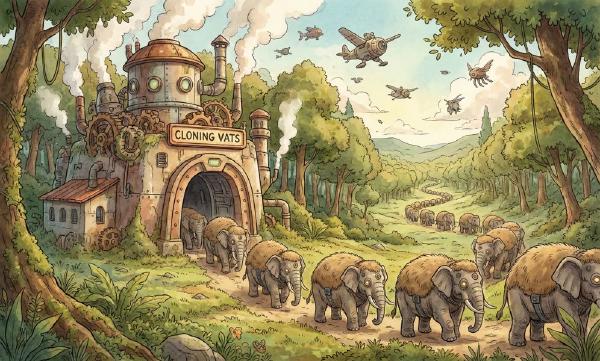
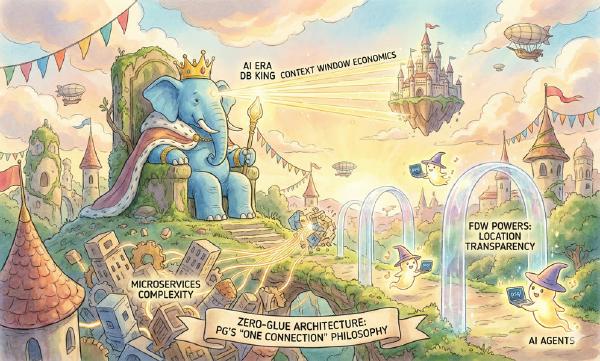
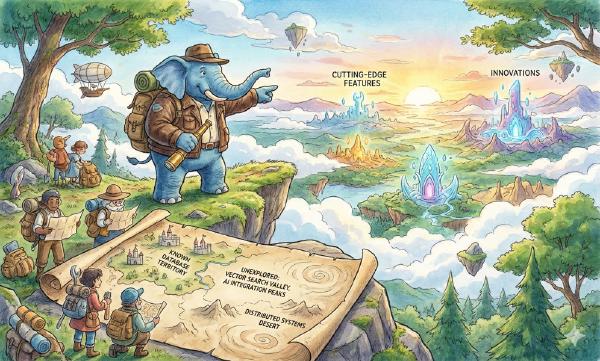
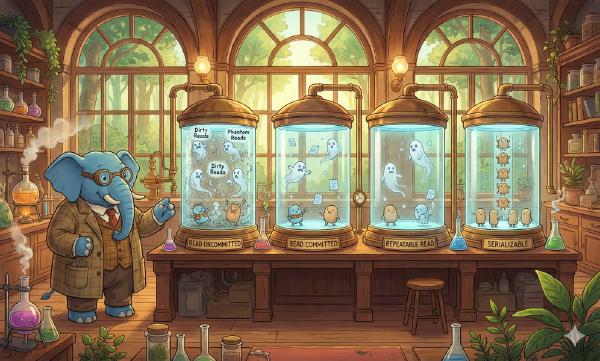
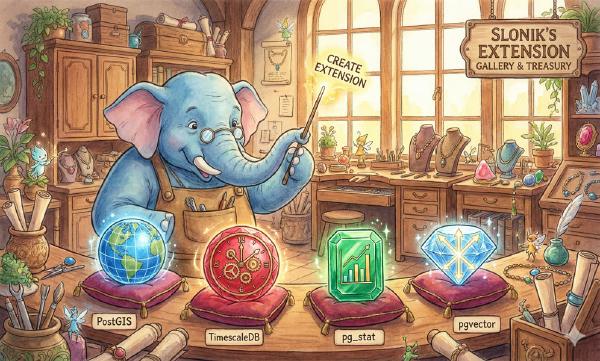
On July 8, 1996, the PostgreSQL community picked up the flame from Postgres95. Thirty years later, it has grown from a Berkeley research project into a default foundation of the global database ecosystem.
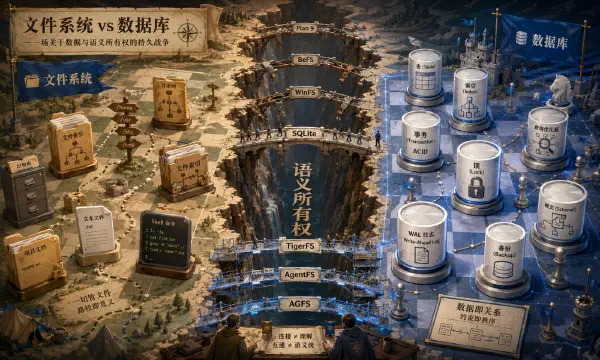
File systems and databases have spent fifty years fighting and borrowing from each other. The agent era may seem to put file systems back on top, but the real winner may be databases that learn to speak the file system’s dialect: models provide understanding, databases provide guarantees, and discovery comes from a protocol layer where ls works on everything.
A field report on the PostgreSQL extension ecosystem: 1,617 discovered projects, 511 deliverable extensions, and the shared delivery layer needed to make extensibility work for users, authors, vendors, and PostgreSQL hackers.
Seven days after pgBackRest was archived, David Steele said a coalition of sponsors was nearly in place and the project would probably live on. This was not just a heartwarming community story. It was a remarkably clean exercise in forcing the market to price an open-source commons.
Its maintainer, under pressure to make a living, has formally archived pgBackRest, the PostgreSQL ecosystem’s most important backup tool. The entire PostgreSQL community needs to think seriously about how critical open-source dependencies can be sustained.
Today’s models are smart enough. What they lack is a body: a deterministic runtime that is observable, controllable, and reversible. Pigsty is evolving from a PostgreSQL distribution into an Agent Runtime, giving DBA and Dev Agents the operational reach and context they need to enter real production environments.
MySQL 9.7 is the first LTS release in the 9.x line. Its vector support is still all show, its years-late optimizer is disabled by default, and three years of Innovation Releases have produced remarkably little.
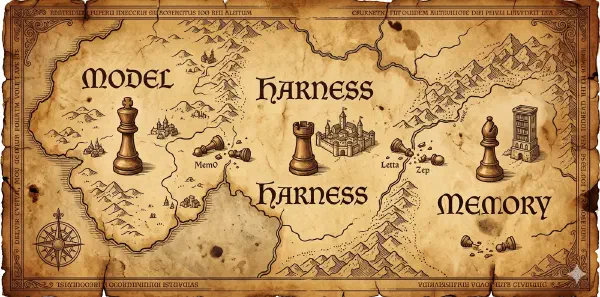
A cold shower for the red-hot agent memory market—not because agents do not need memory, but because memory is the endgame moat. That moat belongs to models, harnesses, and databases, not today’s “memory frameworks.”
By 2026, PostgreSQL has won the market for new database adoption, outperforming MySQL across developer adoption, vendor strategy, capital markets, and community governance. MySQL still owns the installed base; Postgres owns the growth.
Put an AI agent’s working directory, configuration, and memory on a PGFS mount, and you are effectively storing its state in PostgreSQL. That gives you not only a PITR “time machine,” but also a shared workspace and shared memory for multiple agents across multiple devices.
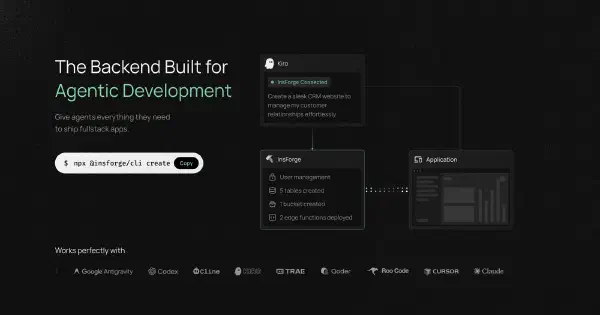
InsForge tries to package PostgreSQL, auth, storage, deployment, and an MCP-facing semantic layer into a backend stack designed for AI agents. It feels like a Supabase rebuilt for the vibe-coding era.
A migration case with only a JAR and no source code shows why Oracle syntax compatibility is not always a fake requirement, and how IvorySQL + Pigsty can absorb legacy debt at low cost.
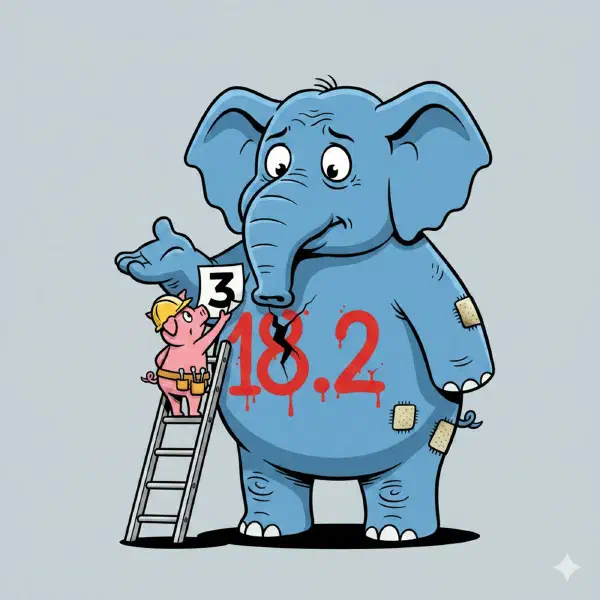
The PostgreSQL 18.2 minor-release train introduced regressions in substring() and WAL replay. Hold off on fresh deployments and upgrades, then update promptly after the out-of-cycle releases ship on 2026-02-26.
A mediocre local who knows the terrain beats a genius parachuted into unknown territory. Intelligence without context is idle. An agent without a runtime is vapor.
LLM = CPU. Context = RAM. Database = Disk. Agent = App. The mapping is surprisingly clean. And if OS history is any guide, we may know what comes next — and what’s still missing.
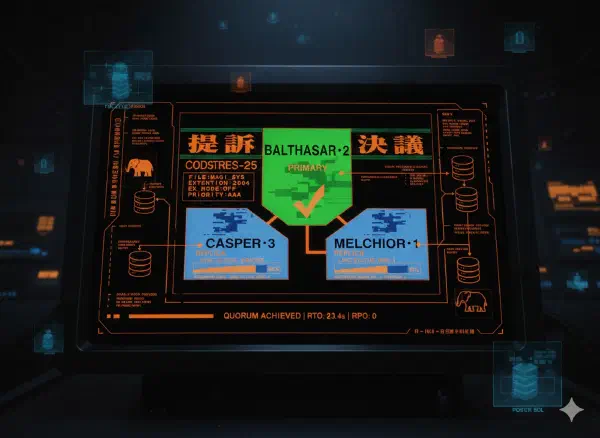
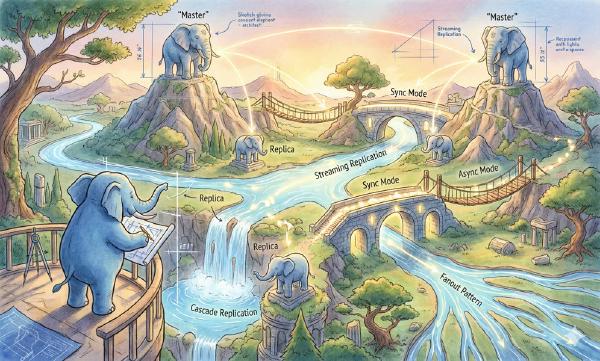
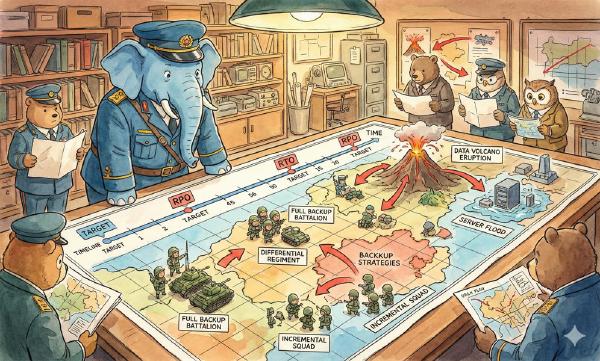
A deep dive into the SOTA approach for PostgreSQL HA. RTO/RPO breakdown, from theory to production. If you’re still wrestling with PG HA, this might save you years.
A conversation between Mike Stonebraker (MIT CSAIL, Turing Award Winner, Creator of PostgreSQL), Andy Pavlo (Carnegie Mellon University), and the DBOS team.
The bottleneck for AI agents is not the database kernel, but integration above it. Muscle memory (in-database computation), associative memory (vector-graph fusion), and the courage to experiment (Git for Data) will be critical—none of them requires a new engine.
Tons of users running the official docker postgres image got burned during recent minor version upgrades. A friendly reminder: think twice before containerizing production databases.
PostgreSQL official repos cut off global mirror sync channels, open-source binaries supply disrupted, revealing the true colors of various database and cloud vendors.
Navigation of articles about PostgreSQL development, administration, principles, ecosystem, tools, architecture design, performance optimization, troubleshooting, and more.
The same forces that once led MongoDB and MySQL toward closure are now at work in the PostgreSQL ecosystem. The PG world needs a distribution that represents “software freedom” values.
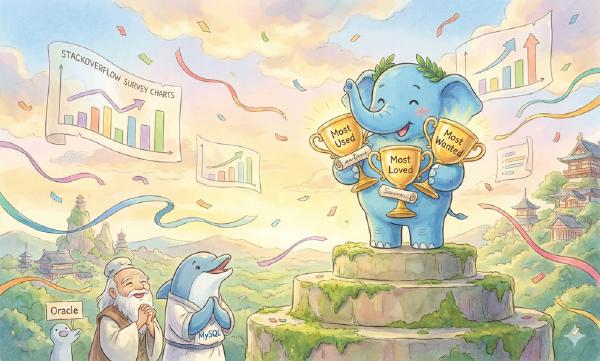
The 2025 SO global developer survey results are fresh out, and PostgreSQL has become the most popular, most loved, and most wanted database for the third consecutive year. Nothing can stop PostgreSQL from consolidating the entire database world!
Imagine a “closed-course” shootout for domestic databases and clouds, the way Dongchedi just humiliated 30+ autonomous cars. This industry needs its own stress test.
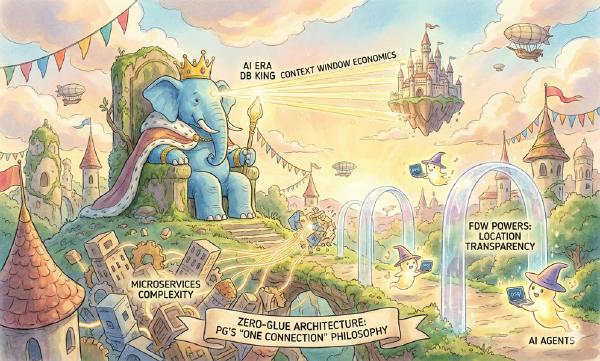
The database for the AI era has been settled. Capital markets are making intensive moves on PostgreSQL targets, with PG having become the default database for the AI era.
At PGConf.Dev 2025, Bohan Zhang from OpenAI shared a session titled Scaling Postgres to the next level at OpenAI, giving us a peek into the database usage of a top-tier unicorn.
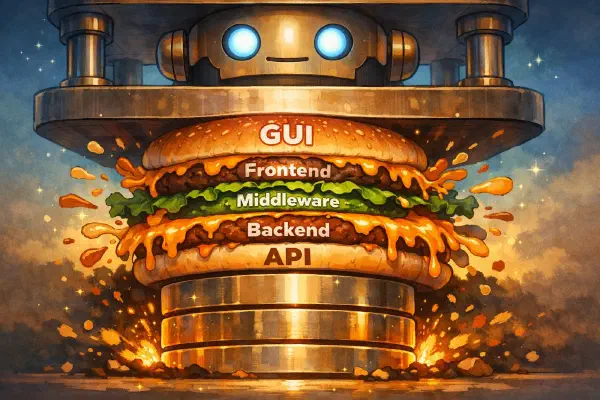
Future software = Agent + Database. No middle tiers, just agents issuing CRUD. Database skills age well, and PostgreSQL is poised to be the agent-era default.
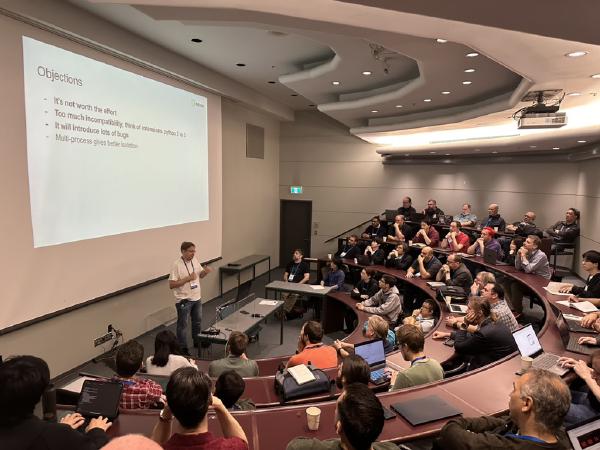
The annual PostgreSQL developer conference will be held in Montreal in May. Like the first PG Con.Dev, there’s also an additional dedicated event - Postgres Extensions Day
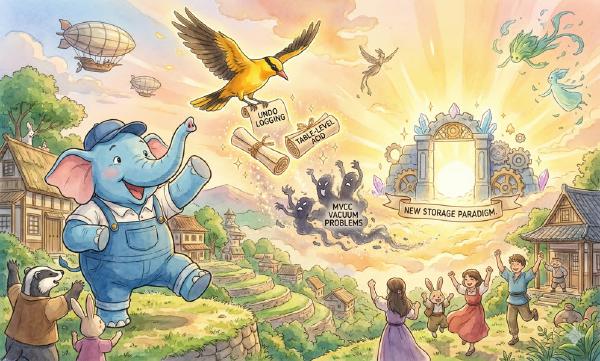
A PG kernel fork acquired by Supabase, claiming to solve PG’s XID wraparound problem, eliminate table bloat issues, improve performance by 4x, and support cloud-native storage. Now part of the Pigsty family.
What? PostgreSQL can now be accessed using MySQL clients? That’s right, openHalo, which was open-sourced on April Fool’s Day, provides exactly this capability and has now joined the Pigsty kernel family.
Does bolting DuckDB onto RDS suddenly make open-source Postgres ‘trash’? Business and open source should be symbiotic. If a vendor only extracts without giving back, the community will spit it out."
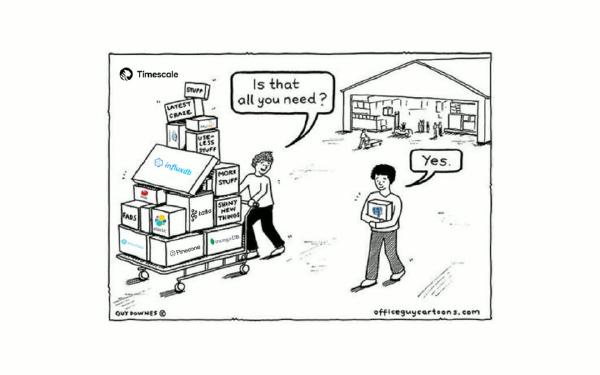
Is PostgreSQL the king of boring databases? Here are seven databases worth studying in 2025: PostgreSQL, SQLite, DuckDB, ClickHouse, FoundationDB, TigerBeetle, and CockroachDB—each deserving a week of deep exploration.
PG17 achieved extension ecosystem adaptation in half the time of PG16, with 300 available extensions ready for production use. PG 12 officially exits support lifecycle.
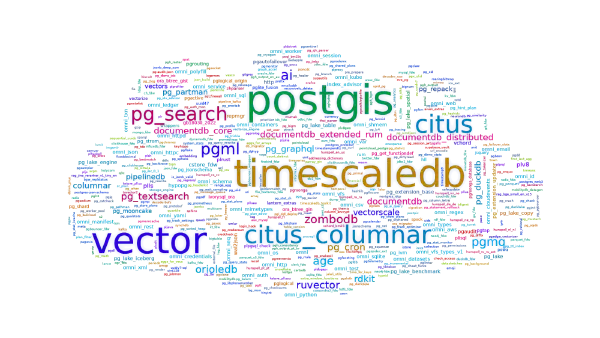
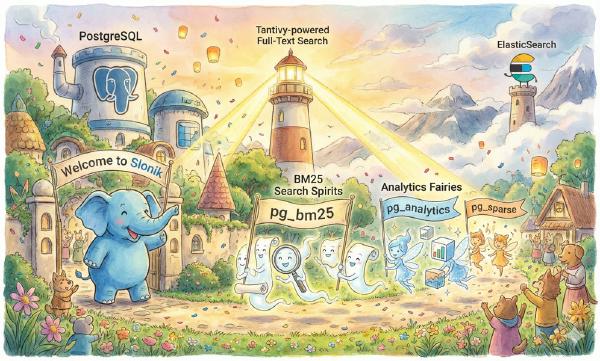
PostgreSQL is eating the database world through extensibility. This post introduces the Pigsty extension repository, which packaged 390 PostgreSQL extensions at launch and keeps growing through the Pigsty extension catalog.
PostgreSQL is now the world’s most advanced open-source database and has become the preferred open-source database for organizations of all sizes, matching or exceeding top commercial databases.
MongoDB has a terrible track record on integrity, lackluster products and technology, gets beaten by PG in correctness, performance, and functionality, with collapsing developer reputation, declining popularity, stock price halving, and expanding losses. Provocative marketing against PG can’t save it with “good marketing.”
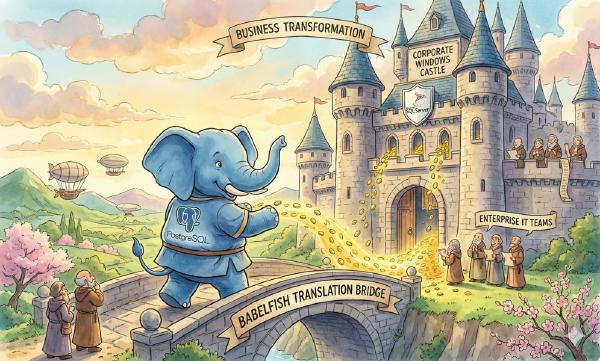
PostgreSQL can directly replace Oracle, SQL Server, and MongoDB at the kernel level. Of course, the most thorough replacement is SQL Server - AWS’s Babelfish provides wire-protocol-level compatibility.
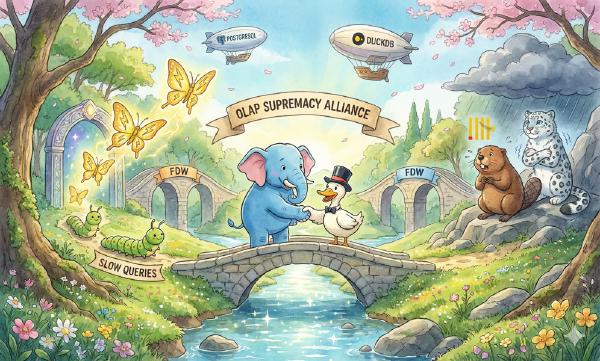
Just like the vector database extension race two years ago, the current PostgreSQL ecosystem extension competition has begun revolving around DuckDB. MotherDuck’s official entry into the PostgreSQL extension space undoubtedly signals that competition has entered white-hot territory.
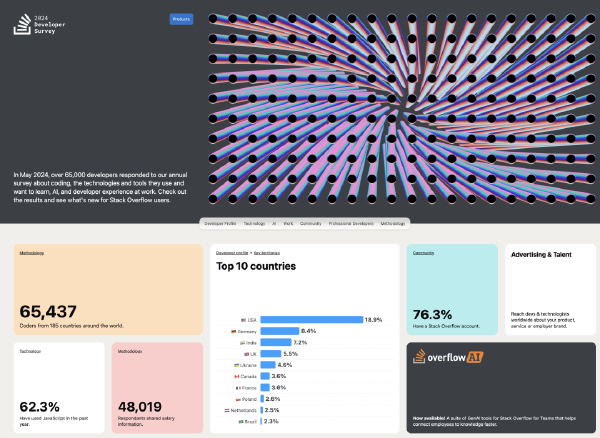
The 2024 StackOverflow Global Developer Survey results are fresh out, and PostgreSQL has become the most popular, most loved, and most wanted database globally for the second consecutive year. Nothing can stop PostgreSQL from devouring the entire database world anymore!
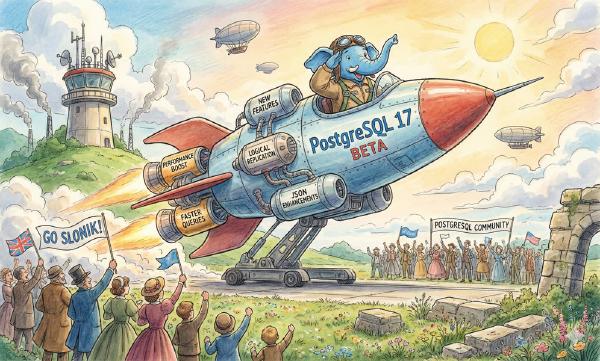
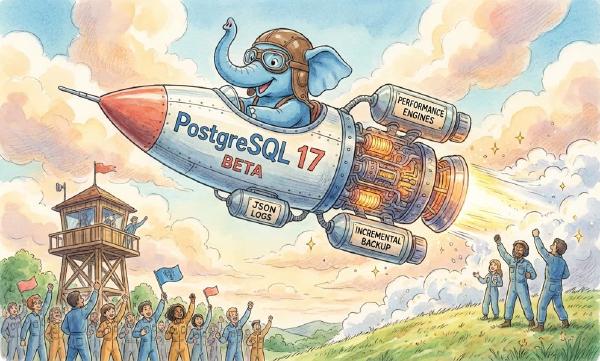
The PostgreSQL Global Development Group announces PostgreSQL 17’s first Beta version is now available. This time, PostgreSQL has truly burst the toothpaste tube!
Whether production databases should be containerized remains a controversial topic. From a DBA’s perspective, I believe that currently, putting production databases in Docker is still a bad idea.
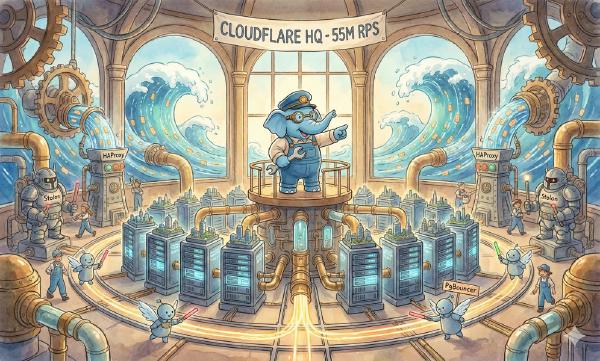
This article describes how Cloudflare scaled to support 55 million requests per second using 15 PostgreSQL clusters, and PostgreSQL’s scalability performance.
DB-Engines officially announced today that PostgreSQL has once again been crowned “Database of the Year.” This is the fifth time PG has received this honor in the past seven years. If not for Snowflake stealing the spotlight for two years, the database world would have almost become a PostgreSQL solo show.
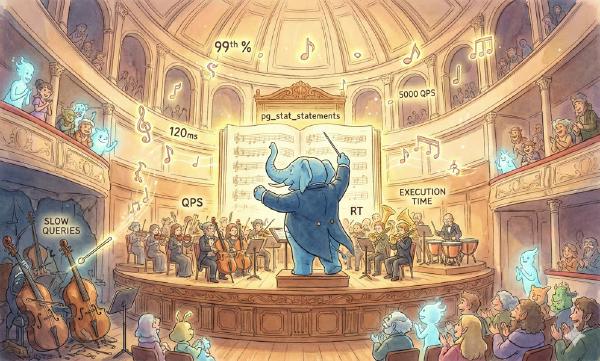
Query optimization is one of the core responsibilities of DBAs. This article introduces how to use metrics provided by pg_stat_statements for macro-level PostgreSQL query optimization.
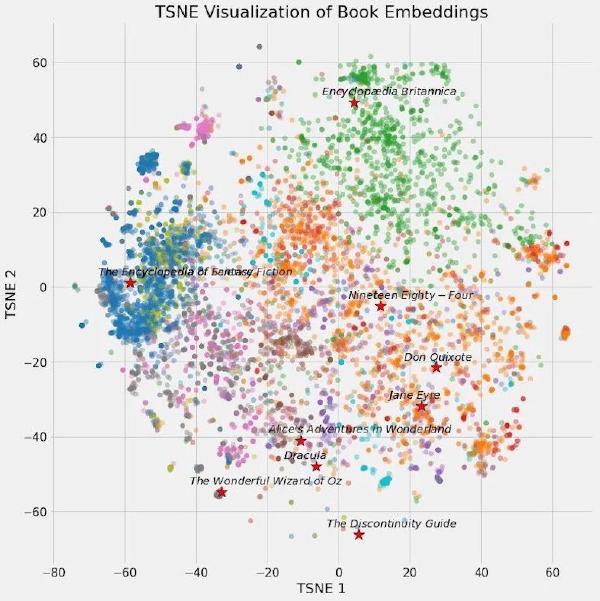
This article focuses on vector databases hyped by AI, introduces the basic principles of AI embeddings and vector storage/retrieval, and demonstrates the functionality, performance, acquisition, and application of the vector database extension PGVECTOR through a concrete knowledge base retrieval case study.
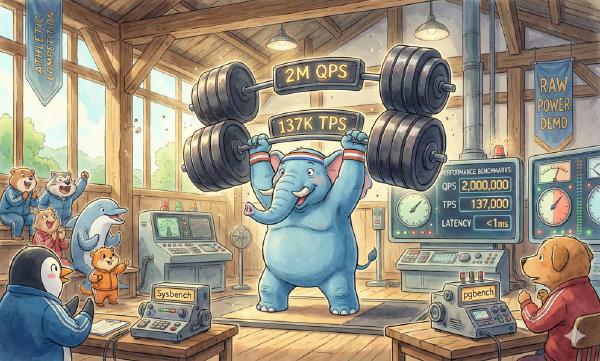
Let performance data speak: Why PostgreSQL is the world’s most advanced open-source relational database, aka the world’s most successful database. MySQL vs PostgreSQL performance showdown and distributed database reality check.
Database users are developers, but what about developers’ preferences, likes, and choices? Looking at StackOverflow survey results over the past six years, it’s clear that in 2022, PostgreSQL has won all three categories, becoming literally the “most successful database”
Databases are the core component of information systems, relational databases are the absolute backbone of databases, and PostgreSQL is the world’s most advanced open source relational database. With such favorable timing and positioning, how can it not achieve great success?
Slow queries are the sworn enemy of OLTP databases. Here’s how to identify, analyze, and fix them using metrics (Pigsty dashboards), pg_stat_statements, and logs.
Concepts and their naming are very important. Naming style reflects an engineer’s understanding of system architecture. Poorly defined concepts lead to communication confusion, while carelessly set names create unexpected additional burden. Therefore, they need careful design.
Managing databases is similar to managing people - both need KPIs (Key Performance Indicators). So what are database KPIs? This article introduces a way to measure PostgreSQL load: using a single horizontally comparable metric that is basically independent of workload type and machine type, called PG Load.
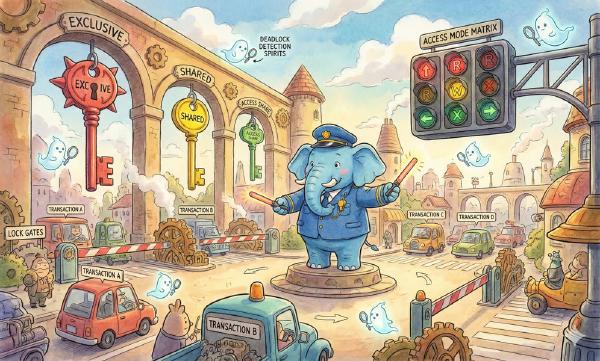
Snapshot isolation does most of the heavy lifting in PG, but locks still matter. Here’s a practical guide to table locks, row locks, intention locks, and pg_locks.
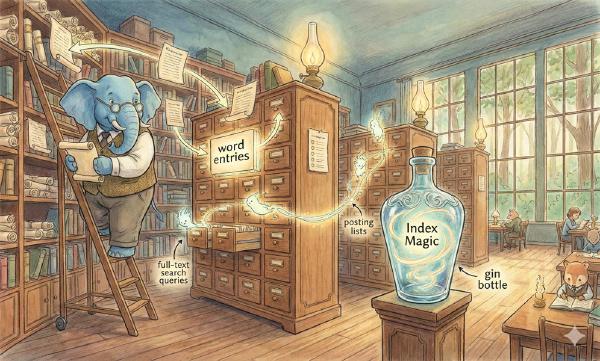
When GIN indexes are used to search with very long keyword lists, performance degrades significantly. This article explains why GIN index keyword search has O(n^2) time complexity.
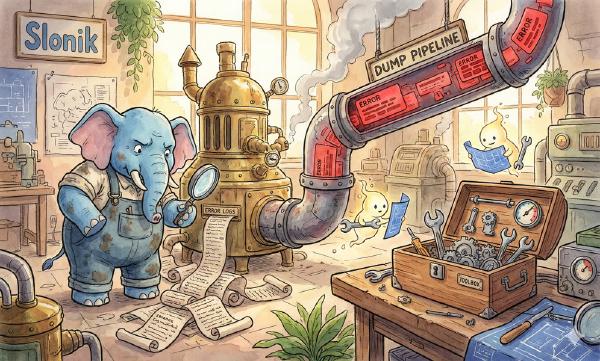
Sometimes, interactions between components manifest in subtle ways. For example, using pg_dump to export data from a connection pool can cause connection pool contamination issues.